Housekeeping 101: Catholic Style
This is what I’m doing.
This is me doing it....starting with point number one: The Catholic Home is well-maintained. Hold fire until the end please.
When I was a little girl, my mom worked part-time in a local bookstore. She wasn’t gone much—maybe two nights a week and Saturdays. But oh, my sisters and I hated when she left.
“Don’t go, Mom,” we’d all cry in unison. “Dad’s going to make us cleeeeeeeeen.”
It didn’t work. She left, and before the car pulled out of the driveway, Dad was tossing cans of Pledge into my eight-year-old hands.
Life with my father—a former Navy man—was a life filled with cleaning. There are pictures of my sister Annmarie and I, ages 4 and 7, standing on chairs at the sink washing the dishes. We also scrubbed bathrooms, mopped floors, and dusted furniture well before we reached double digits.
It’s not like we grew up in a museum. We spread Legos on the floor and built forts with blankets. We just had to take care of the messes we made. Or hear about it.
Not surprisingly, as a child, I thought my parents’ predilection for order and cleanliness was a horrible plot devised to torture me. As an adult, however, I couldn’t be more grateful. They taught my sisters and I that having things was a privilege, not a right, and that if we wanted nice things, we had to care for them.
From them, we learned responsibility, discipline, and stewardship. We also enjoyed the peace and security that comes from living in a clean, well-ordered home. That's a peace we all continue to try to cultivate today in our own homes.
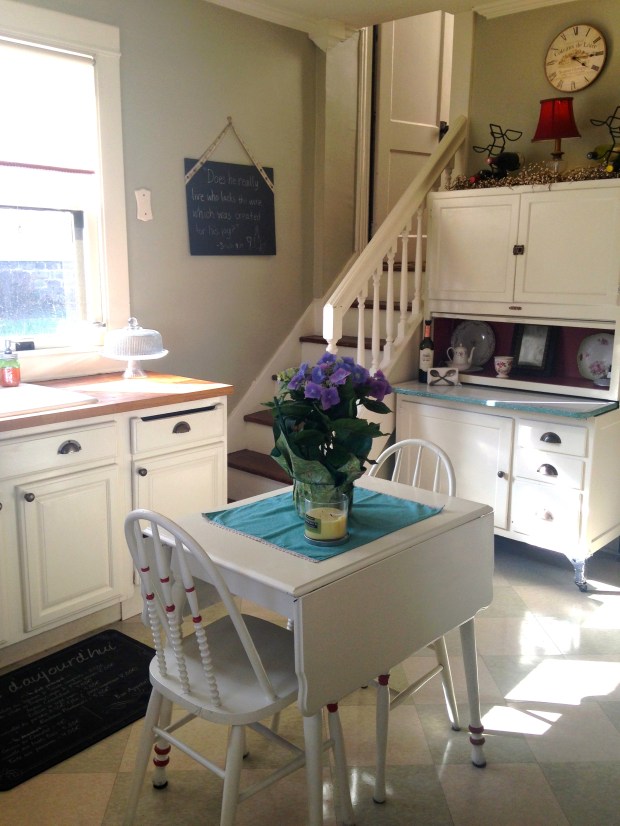
Shiny. The Why Implicitly, through their stubborn perseverance, my parents taught us the same lessons I wrote about in the OSV article:
Whether our homes are large or small, in the city or in the country, they constitute our “garden,” and we are to care for them, exercising good stewardship over what God has entrusted to us and teaching our children to do the same.
Again, lots of qualifications.
A well-maintained home is not the most important aspect of cultivating a Catholic home.
It’s way down the list, well, well below, “Loving your spouse” and “Not selling your children to the gypsies.” Likewise,
doing your best to maintain your home does not mean you have to go broke making it look like a centerfold in
Traditional Home
.
Cleanliness is not next to godliness, and caring for the poor (and your children) is much more important than a perfectly ordered home. And of course, there will be days, weeks, months even, where try as you might, even the basics of homecare are beyond your reach.
Travel, illness, and toddlers make messes of us all.
At the same time, though, having a messy home doesn’t make you holier than the woman with the clean home. It just makes you messier.
Treating chaos and messiness like it’s a virtue is a weird modern tick. It’s the flip side of acting like a beautiful home qualifies you for canonization. Both are disordered attitudes, and both make for uncomfortable living. Peace and harmony are found in the balance.
So, how do you find that balance?
In some ways, you have to figure it out for yourself. I can only tell you how I’ve found it (and how the moms whose housekeeping skills I respect the most have found it). Take what you will from this, and ignore the rest.
The How
Believe It’s Possible.
If I’ve learned anything from watching my friends—all of whom have large families (4-10 kids each), lots of children does not automatically rule out having a well-maintained home. My sisters and my three closest girlfriends (2, 3, 4, 5, and 7 children respectively) put my housekeeping skills to shame.
The primary reason for their success, according to one of them (hereafter referred to as Supermom), is that they all operate under the presumption that if you outfit your home like a jungle gym, children will treat the home like a jungle gym.
So, instead, they outfit their homes like they’re homes, where actual grownups live. They set the bar higher, both for themselves and for their children, and while they may not always meet that bar, they surpass the standard that would have resulted from no bar at all.
2. Budget and Prioritize.
Mortgages aren’t the only expense involved in owning a house. If you own a home, something always needs fixing or replacing. Know that going in, making sure that if there’s money to spare, some gets set aside for the unavoidable maintenance costs.
When choosing between competing projects—because there’s always competing projects—prioritize structure over beauty (the roof over the patio) and what will affect the long-term value of your house over short-term perks (new electric work versus the fancy speaker system). Also, make whatever sacrifices you can to act sooner, rather than later. New roof shingles are cheaper than new roof shingles, ceiling joists, and decking.
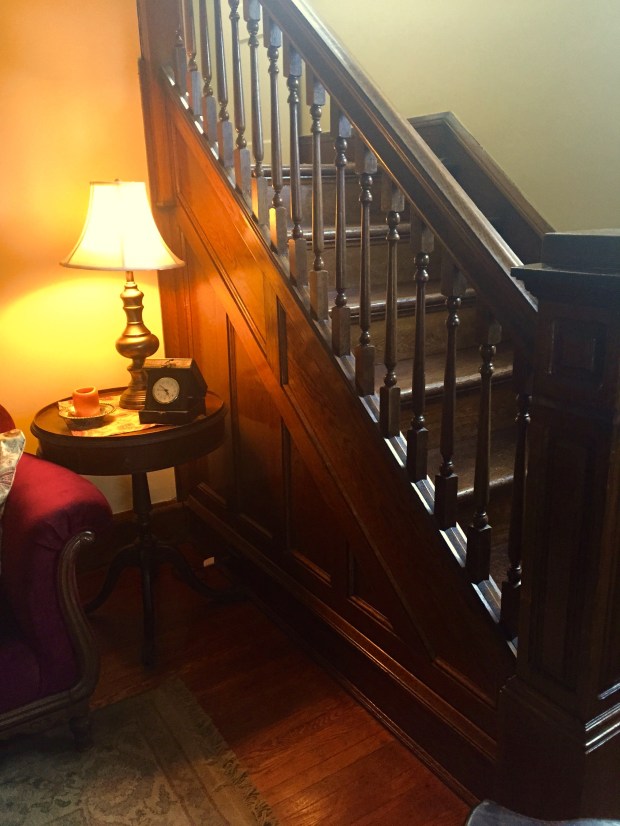
And eventually, if you wait long enough, you'll get to do the pretty stuff too. It took 10 years to get my staircase restored, but with new electric, roofing, furnace, and plumbing finally checked off the list, I finally got this beauty all fixed up.
3. Make The Kids Put Away Their Toys.
If they can walk (and there aren’t special needs that preclude this), they can put their toys away. Yes, you have to help them at first, but the earlier you start, the earlier they can do it on their own.
Again, I’ve spent the past 14 years living in Large Catholic Familyland. I’ve seen this with my own eyes. It’s not a myth. The keys to success seem to be the early start and having a place where everything goes—shelves, hooks, and labeled bins (Supermom really stresses the labeling bit).
It also seems to help if you have fewer toys. Keep out only what they really need to play with and give away or store the rest. Children don’t need as much as our consumer culture tells you they do, and the less they have, the more they’ll value it (and play with it).
4. Do Six Little Things Daily.
Make your bed at the first possible opportunity. I make mine while the coffee is brewing. It takes 1 minute and 35 seconds (I timed it). And oh, what a difference it makes to my day.

Don’t leave dishes in the sink overnight. You know the ones I’m talking about: the soaking pot, the wine glasses, the stray sippy cups. You will never regret the 15-20 extra minutes it takes to wash those dishes (plus sweep the kitchen floor and wipe down the stove and counter). You very much will regret waking up to a messy kitchen the next morning when there are children or guests, clamoring to be fed.
Buy Clorox wipes (or the non-toxic alternative). Spend 60 seconds every night, wiping down the sink, toilet and tub. Kids who can be trusted not to eat the wipes can do this chore too.
Do a nightly walk through. Look for what’s out that shouldn’t be out, and put it where it goes. Hang your purse up. Move the mail. Straighten the pillows. If the kitchen is already clean and the toys are put away, this should take 5 minutes max.
When you undress at night, don’t throw your clothes on a chair…or on the floor. Hang ‘em, fold ‘em, throw ‘em in the dirty laundry. Just put ‘em where they go. Again, not even 2 minutes.
5. Put Yourself On A Schedule.
Admittedly, I don’t do this. But Supermom says that when you’re running a household, this is essential. So, should I ever be in charge of a household, I plan on listening to her.
The basic idea is to treat household management like you would any job, scheduling tasks like appointments. According to her, there should be a day of the week where bathrooms get cleaned, a day of the week where floors get scrubbed, and a day of the week where groceries get bought. If one day isn’t enough for laundry, there can be two.
The upside of this system is it ensures that everything gets done, but in bite-sized pieces. On all but the craziest days, one major cleaning task is usually manageable. Two…not so much.
Likewise, setting aside a day for well-planned grocery shopping saves time (no constant running to the stores) and money (again, no constant running to the stores).
Most importantly, though, this method saves stress. On Monday, you don’t feel guilty for not scrubbing your floors because you know it will get done on Tuesday. Mondays are for bathrooms. When everything has its place in the schedule, it’s easier to focus on the day and moment, and leave tomorrow for tomorrow.
6. When You Can, Get Help.
It is a thoroughly modern notion that people can take care of their houses and yards all by themselves. For centuries, few families went it alone. If you were borderline middle class, you hired help. If you were poor, chances were your mother, maiden aunt, or sister lived with you.
Today, full time help is expensive, and unwed sisters live in homes of their own. But for most of us, help isn’t out of reach. For $40 bucks a month, there are teenagers who will mow your lawn. For $10-$15 an hour, there are struggling moms and college kids who will scrub your floors and baseboards. You don’t need help in your home fulltime to experience some relief. Four hours every other week is enough to give you a break or knock out your least favorite chores. That’s $80-$120 per month. Or, your daily Starbucks habit.
Of course, there are times for all of us, when there isn’t $10 to spare, let alone $120. I’m not saying everyone can afford help all the time. But if and when you can, don’t feel guilty about paying for it. People need work. They need money. You are helping others by giving them a way to earn their daily bread. Seriously, think of this as an act of charity…for yourself and others.
7. Do It For The Right Reasons.
Why
we do something tends to affect
how
we do something. Caring for our homes is no exception. If you are following your children around telling them to pick up after themselves, just so that the neighbors will be impressed, you will quickly run out of steam…and sanity. If you’re spending all your extra pennies planting flowers so that your house looks like it belongs in a Ballard Designs catalogue, you will never be happy (nor will the people around you). But, if you’re mowing your lawn faithfully because that’s the land God has given you, and you know it’s your job to care for it, the work becomes easier…and more enjoyable. The same goes for hounding kids, making your bed, and doing that nightly walkthrough. Do it to help your children learn discipline, responsibility, and stewardship. Do it to help
yourself
learn discipline, responsibility, and stewardship. Do it so that you can more readily open your house to others. And do it so that your whole family can breathe easier…and not get botulism.
8. Don’t Expect Perfection.
Because it ain’t going to happen. Perfection is for magazines. Actual human beings have to live with unending lists of projects and recurring attacks of dust bunnies.
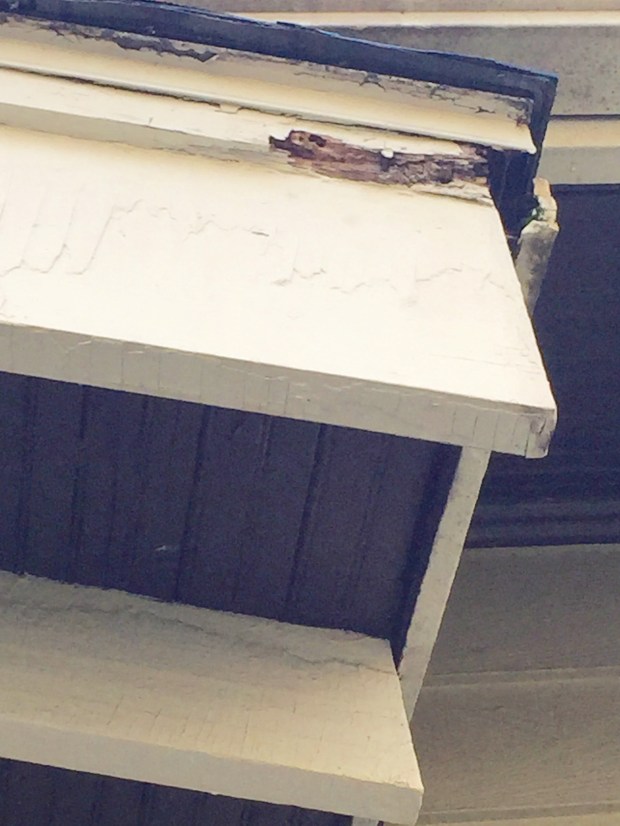
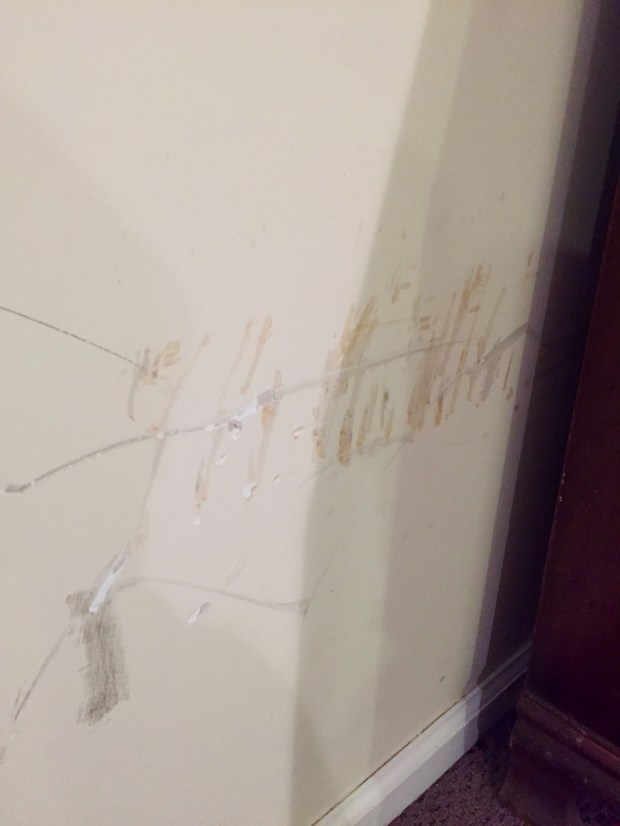
Right now, my list includes replacing a rotting piece of exterior trim, caulking the bathroom tub, patching and painting the basement wall that fell victim to some friends’ children, and detonating the scary basement bathroom where Shelob is breeding a new generation of creepy crawlers.
See?

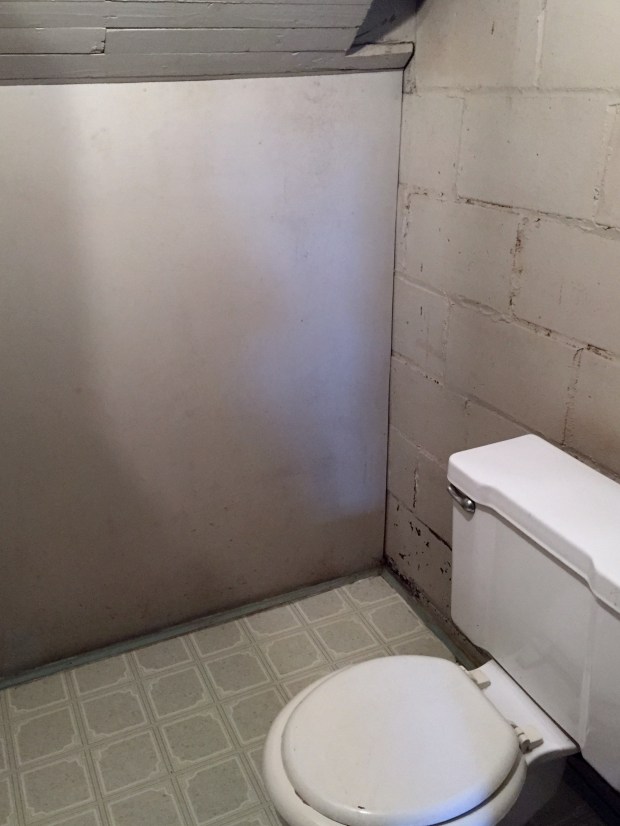
The basement bathroom terrifies me. But the rest, I can live with. This is my home, not a museum. Its nicks and scrapes tell as much a story about the life lived here as does the pretty dining room table and kids’ drawings on the fridge. As long as I’m getting more done than not and trying my best, I can live with the imperfections. And fortunately, it’s in the trying where most of the virtue is won.


Comments